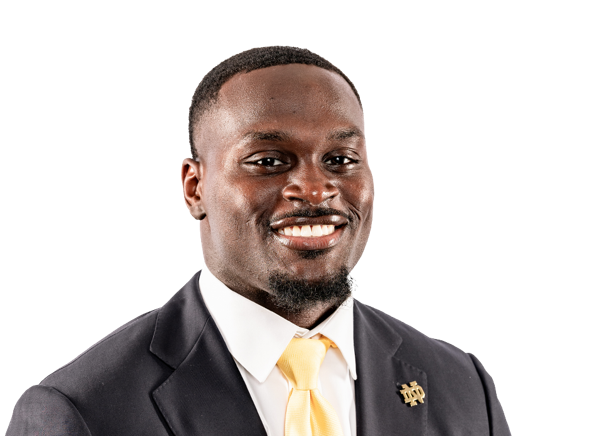
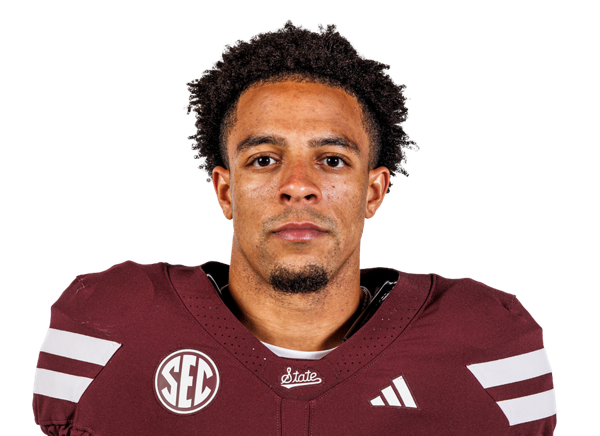
Player photos courtesy of ESPN.
Loading...
Loading...
We use cookies for analytics and advertising to keep TheFantasyPicks free. These run by default; you can opt out anytime with Reject or via Cookie Settings. See our Privacy Policy.
Sponsored affiliate link.
Player photos courtesy of ESPN.
Ranking moves, risers and fallers, and new posts. Free, no spam, unsubscribe anytime.
Rookie drafts are won in the middle rounds, not at the top. Anyone can take the consensus 1.01 in a 12 team dynasty league. The managers who keep contending year after year are the ones building depth at picks 2.05 through 3.04, where the running back roulette and the wide receiver upside bets actually decide titles. Below is our first full three round dynasty rookie mock draft for 2026, run through the mock draft simulator with PPR scoring and 12 teams, plus the strategic notes that explain each pick.
For the position by position rookie boards behind these picks, the 2026 rookie rankings page has the full data set.
The cleanest workload bet in the class. Arizona is going to feed him 250 plus touches in year one, and the offense is good enough that defenses cannot key on the run. Love is the chalk pick at 1.01 in 78 percent of post-draft mocks.
Tate is the WR1 of this class on landing spot alone. Tennessee's WR room is one of the thinnest in the league, and he should command 110 plus targets out of the gate.
Tyson is the safest year two profile in the class. Slow rookie ramp expected, but a 1,200 yard season by year three is on the table. Pair him with our start or sit tool once the slot snap counts firm up in August.
The first tight end in the top five of a rookie mock since 2019. The Jets' depth chart is open and the throwing volume is there. Sadiq is the only TE in this class with TE1 overall potential in years two and three.
Price moves up from his pre-draft Day 2 status because Seattle's veteran is on a one year deal. The path to 200 touches in year two is real.
The first contrarian pick. The Eagles' offense is good enough to support a fourth weapon, and Lemon's contested catch profile travels.
Two Eagles in a row. Stowers is the rare TE prospect whose college route tree maps directly onto an NFL scheme.
Williams ran the second highest separation score in the class on PFF charting. Washington's WR room behind the veteran starter is wide open.
In 1QB this is a reach, and most managers will pivot to a Day 2 RB here. In superflex, Allar is the play.
A bet on talent over situation. Cleveland is unlikely to clarify the QB room before Week 1, but Concepcion's separation skills give him a year two spike profile.
The Jets' draft class has three names worth dynasty interest, which is a rare outcome. Cooper is buried for 2026 but has the highest year three ceiling of the rookie WRs after Tate.
A pure stash. Beck is sitting behind the Cardinals' veteran in 2026, but he profiles as a 2027 starter in a top five offense.
Thompson is one of the fastest receivers in the class and walks into a depth chart with one veteran ahead of him. Year one role is Z receiver, and the Chargers are throwing it 600 plus times in projection.
Allen is the opposite of a sexy pick. He has the build of a bell cow, lands behind a veteran the Commanders may move at the deadline, and the offense has a path to top 12 scoring efficiency.
Singleton was a Day 2 prospect for most analysts pre-draft. The Day 3 fall is the steal of round two if the Titans treat him like the change of pace they need.
A QB stash that makes more sense than its draft slot suggests. The Jets are not married to their current starter beyond 2026.
A low cost shot at the second outside WR job in Cleveland.
A pure year three bet. Sharp will play special teams in 2026 and could grow into a starting tight end role by 2028.
Pittsburgh now has Allar at QB and Bernard at slot. The package makes sense as a long term dynasty pair.
Coleman is not a workhorse, but he can carve out 50 catches as a passing down back behind a veteran. PPR managers should target him.
The Giants' receiver depth behind their veteran starter is thin enough that Fields can carve out 60 targets in year one.
Branch's college tape is electric, and Atlanta's slot job is open after their 2025 free agent move.
Washington behind a Mendoza led offense is volatile, but he is the Raiders' clearest backfield investment.
A late second contingency play on the Bills' WR2 role. The price is right.
By round three, most rookie mocks become asset accumulation drills. The hit rate on round three rookie picks across the last five dynasty seasons is roughly 18 percent for a top 24 finish at any point in the player's first three years. The math says you should treat these picks as trade chips as often as roster spots. For draft capital context across all 257 selections, the official NFL.com draft hub is the cleanest pick by pick reference.
Names worth a round three roster spot: Chris Brazzell II (CAR), Jaden Greathouse (any landing), Demond Claiborne (MIN), Justin Joly (DEN), and Adam Randall (BAL). Trade your other round three picks to consolidate, or package two for a 2027 second.
Round one is about workload and target share certainty. Round two is about path to opportunity within 18 months. Round three is about asset value, not roster slots. If you can build a draft that does all three of those things in the right order, you will field a deeper roster than 80 percent of your league heading into August.
Run your own rookie mocks on our mock draft simulator, and check the running consensus on the 2026 NFL Draft hub before your league's draft locks.