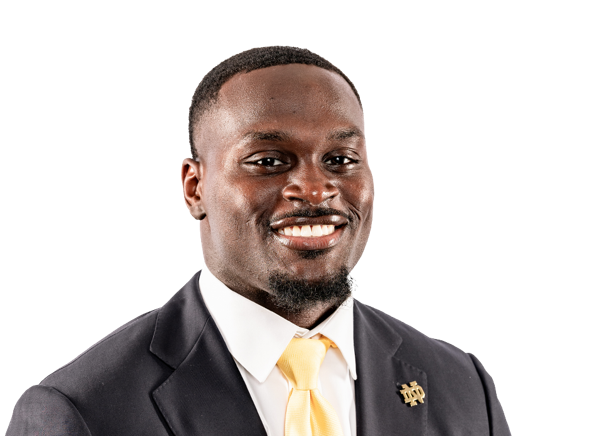
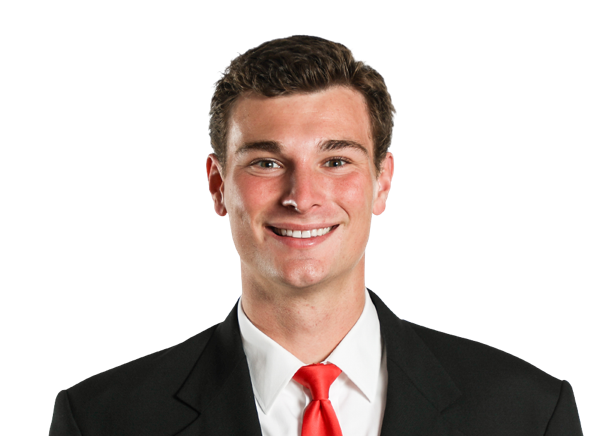
Player photos courtesy of ESPN.
Loading...
Loading...
We use cookies for analytics and advertising to keep TheFantasyPicks free. These run by default; you can opt out anytime with Reject or via Cookie Settings. See our Privacy Policy.
Sponsored affiliate link.
Player photos courtesy of ESPN.
Ranking moves, risers and fallers, and new posts. Free, no spam, unsubscribe anytime.
Superflex rookie rankings are not just single-QB rankings with the quarterbacks moved up two spots. The position scarcity in 2QB leagues is so severe that any rookie quarterback drafted in rounds one through three of the NFL Draft has long-term starter equity, which in dynasty is worth a top-five rookie pick all by itself.
This is the post-2026-NFL-Draft cheat sheet for superflex and 2QB managers, cross-referenced against the official NFL Draft results. For single QB context, see our rookie RB rankings and rookie WR rankings. For the format-agnostic version, see the live 2026 rookie rankings hub.
In single-QB rookie drafts, quarterbacks generally slide because you only need one starter and the waiver wire usually has a serviceable veteran. In superflex, every team starts two of them. A 12-team superflex league needs 24 starting QBs, and there are not 24 startable QBs in the NFL on any given week. That is why a rookie quarterback with realistic year-two starter equity is worth a top-five rookie pick - you are not paying for 2026 production, you are paying for a five-year starter slot.
Practical effect: a rookie quarterback drafted in round one of the NFL Draft jumps three to eight spots in superflex rookie drafts compared to single QB. A rookie quarterback drafted in rounds two or three becomes a late-first or early-second rookie pick, where in single QB he might be a round three flier.
In single QB, 1.01 is Jeremiyah Love (RB, Arizona). Workhorse projection, premium NFL Draft capital at pick 3, three-down profile.
In superflex, the top of the board is contested. The case for Love at 1.01 is the same: bell-cow projection on a real workload, with PPR receiving usage built in. The case against is that superflex demands quarterback equity and a true round-one rookie quarterback profile is rarer than a true bell-cow back.
Our ranking: Fernando Mendoza (QB, Las Vegas Raiders) is the 1.01 in superflex. Pick 1 of the 2026 NFL Draft to a franchise that needed exactly that. The starter slot is locked in as soon as he is ready, and the floor of "five-year starter at the most scarce roster position" is a higher dynasty value than the floor of even the best running back in this rookie class.
If you disagree and take Love 1.01, you are not wrong - and we keep him at 1.02. The point is that in superflex, both are defensible, and in single QB Love is the unambiguous answer.
First overall pick in the 2026 NFL Draft. Long-term starter slot at the scarcest fantasy position. Year-one fantasy value depends on how quickly the offense lets him run, but the dynasty value is locked.
👑 Bet rookie QB futures on DraftKings →21+. Gambling problem? Call 1-800-GAMBLER. Available in eligible states only. Sponsored affiliate link.
Pick 3, true workhorse projection. The 1.01 in single QB; only the format scarcity of superflex pushes him to 1.02.
Pick 13. First-round draft capital on a quarterback rarely loses long-term starter equity. Year-one fantasy production likely capped because of the depth chart in front of him, but the 2027 and 2028 outlook is exactly what 2QB managers pay for.
Pick 4. Top-five capital at receiver. Dynasty year-one and three-year window are both clean here.
Pick 8. Premium capital, immediate role. Holds first-round superflex value because of role certainty.
Pick 65. Day 2 quarterback capital on a starter-track profile. In superflex this pushes him into the back half of round one of rookie drafts; in single QB he is a round three flier. Format gap in action.
Pick 76. Same logic as Beck. Late-first to early-second in superflex, fourth-round flier in single QB. The Pittsburgh starter equity is the upside.
Pick 30. Late first capital, immediate-role projection.
Pick 24. Explosive piece in a receiver room being rebuilt.
Pick 20. Long-term role projection lifted by the offense; year-one usage capped by depth chart.
Pick 110. Day 3 quarterback capital with developmental upside. Mid-second in superflex; deep dynasty stash in single QB.
Either is defensible at pick 12. Price gets the workload projection; Sadiq gets the positional scarcity at tight end. Pick the position your roster needs more.
Picks 1.01 to 1.04: Take a quarterback or Love. Do not get clever.
Picks 1.05 to 1.08: This is where the QB-vs-WR question gets sharpest. If a round-one rookie quarterback is still on the board, take him over a tier-one WR. The format demands it.
Picks 1.09 to 1.12: The Beck and Allar tier. Day 2 quarterback capital with starter equity is worth a back-half rookie first in superflex. If both are gone, pivot to a tier-one WR or a tight end with role certainty.
Round 2: Klubnik and any other Day 3 QB profile climbs here. The cost of a missed QB swing is low; the cost of missing on the next 5-year starter is huge. Take the dart.
Round 3 and later: Pure best-player-available. The QB premium has been spent.
For more on the rookie reshuffle, see our round-by-round dynasty rookie mock. Build your own superflex mock with the mock draft simulator - toggle the format to confirm your tier breaks before draft night.