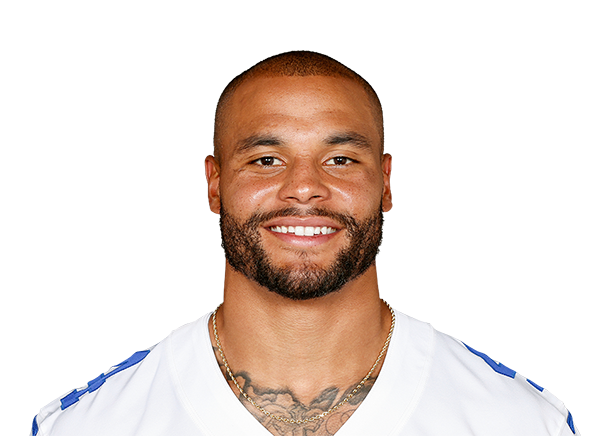
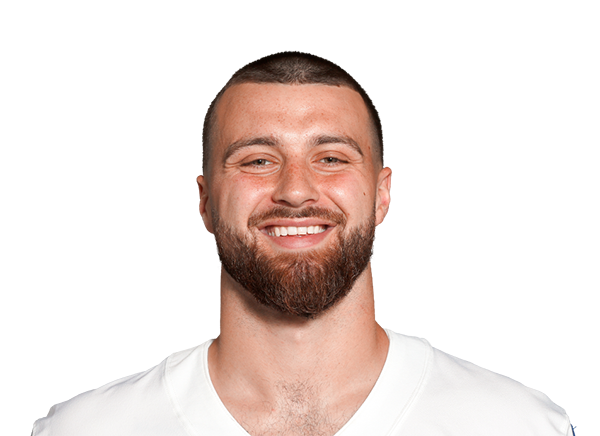
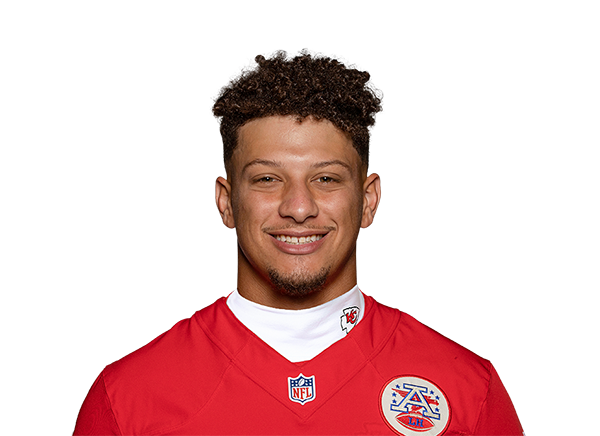
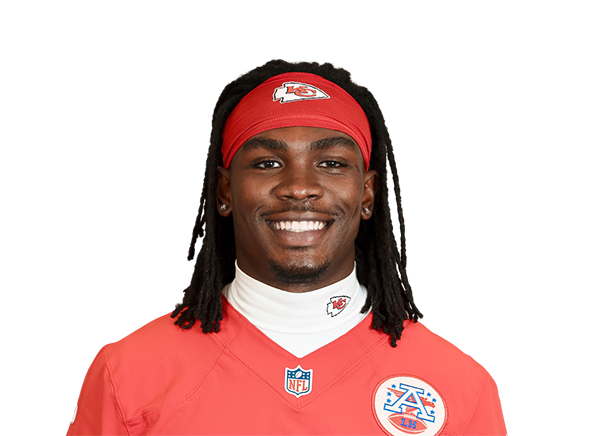
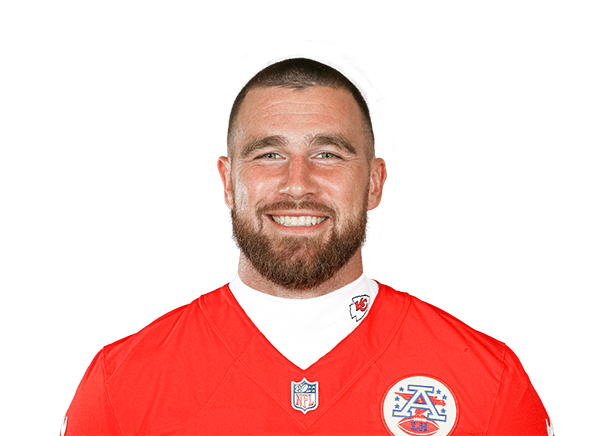
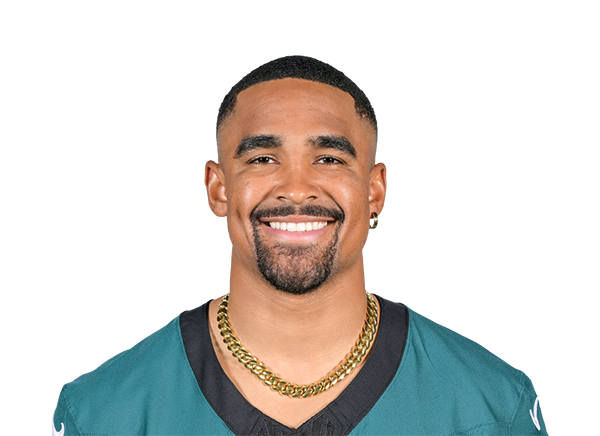
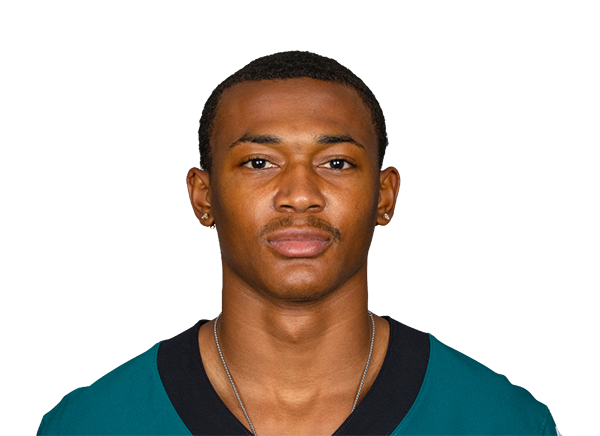
Player photos courtesy of ESPN.
Loading...
Loading...
We use cookies for analytics and advertising to keep TheFantasyPicks free. These run by default; you can opt out anytime with Reject or via Cookie Settings. See our Privacy Policy.
Sponsored affiliate link.
Player photos courtesy of ESPN.
Ranking moves, risers and fallers, and new posts. Free, no spam, unsubscribe anytime.
Stacking a quarterback with his own pass catchers is old advice in fantasy football, but best ball is where it actually pays off the most. Your lineup auto-selects your highest score every week, so when a quarterback has a huge game, the pass catcher who caught those touchdowns almost always has a huge game too, and your lineup captures both spikes in the same week instead of just one. Here are four real stacks from our model, ranked by combined boom rate.
| Stack | QB Boom % | Top Catcher | Catcher Boom % | Combined Boom % |
|---|---|---|---|---|
| Dak Prescott + Dallas | 23.53 | Jake Ferguson (TE) | 29.41 | 41.18 |
| Patrick Mahomes + Kansas City | 11.76 | Travis Kelce (TE) | 29.41 | 35.29 |
| Jalen Hurts + Philadelphia | 0.00 | DeVonta Smith (WR) | 29.41 | 29.41 |
| Jayden Daniels + Washington | 11.76 | Terry McLaurin (WR) | 17.65 | 29.41 |
Combined boom is each quarterback's own boom rate added to his top-ranked pass catcher's boom rate, both measured across full 2025 seasons. It is a simple number, but it tells you how often that offense is producing two spike scores in your lineup on the same Sunday.
Dak Prescott posted a 23.53 percent boom rate on his own, already strong for a quarterback. Pair him with Jake Ferguson, whose 29.41 percent boom rate leads the entire Dallas pass-catching group, and the combined number is the highest of any stack in this piece. CeeDee Lamb is still Dallas's WR1 by rank at 11 overall with his own 17.65 percent boom rate, so this offense supports more than one stacking piece if you end up with Prescott and want to add a second Dallas player later.
Patrick Mahomes carries an 11.76 percent boom rate on his own, modest by his standards, but Travis Kelce's 29.41 percent boom rate at tight end still makes this pairing worth building around. Rashee Rice, ranked 29 overall with a 23.53 percent boom rate, is the other real stacking piece in this offense if you want to double up beyond Kelce.
Jalen Hurts posts a 0.00 percent boom rate in our model, a reflection of Philadelphia's run-heavy offense capping his own ceiling weeks, but DeVonta Smith's 29.41 percent boom rate alone is enough to tie this stack with the two above. This is a case for stacking the pass catcher's spike weeks even when the quarterback himself is not the source of them.
Washington tells the opposite story. Jayden Daniels carries his own 11.76 percent boom rate, and Terry McLaurin adds 17.65 percent on top of it, arriving at the same 29.41 percent combined number through a more balanced split between the two players. If you like exposure to a real quarterback rushing floor as part of the stack, Daniels and McLaurin is the pick between these two.
In a weekly-lineup league, you have to bench one of the two players in a bad week and start the other, so stacking mostly just correlates your outcomes without adding extra points. In best ball, every player is in your lineup automatically, so a stack does not just correlate your outcomes, it multiplies your access to the offense's single best week. That is the entire argument for spending a mid-round pick on a pass catcher from a quarterback you already have, instead of the next name on your overall board.
Draft the quarterback first based on your board, then look at his own team's pass catchers before reaching outside the offense for your next pick. The best ball tool shows every player's individual boom rate so you can build your own stack math beyond the four listed here, and the mock draft simulator lets you test a stack-heavy strategy against realistic bot opponents before your real draft. Full scoring rules for boom and bust weeks are documented at NFL.com's fantasy scoring reference.
Find your quarterback, then draft his catchers before someone else does.