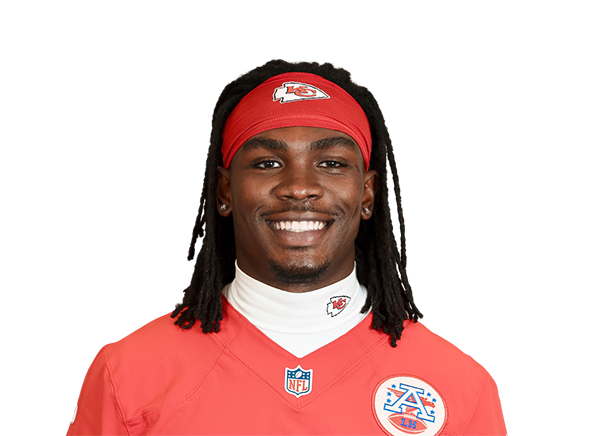
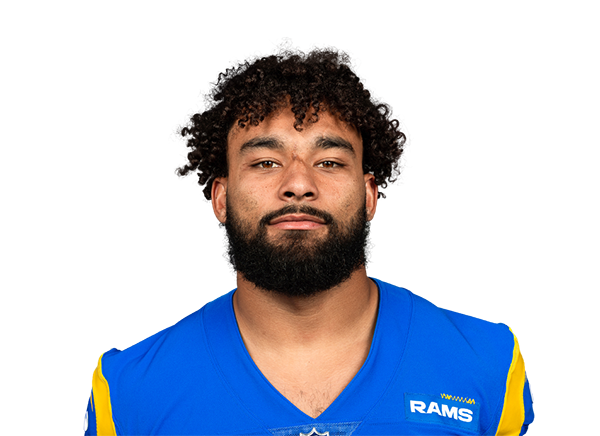
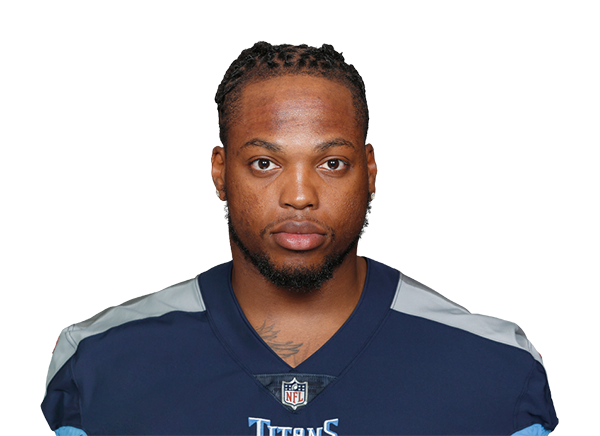
Player photos courtesy of ESPN.
Loading...
Loading...
We use cookies for analytics and advertising to keep TheFantasyPicks free. These run by default; you can opt out anytime with Reject or via Cookie Settings. See our Privacy Policy.
Sponsored affiliate link.
Player photos courtesy of ESPN.
Ranking moves, risers and fallers, and new posts. Free, no spam, unsubscribe anytime.
Every fantasy league has the same two personalities showing up in your trade inbox this time of year: the manager who is panicking over three bad box scores, and the manager who thinks last week's three-touchdown outburst is the new baseline. Your job is to find both of them before your leaguemates do. Below are three players whose actual usage says "buy now" and three whose touchdown rate says "sell before the crash."
Olave sits at rank #25 in our overall model, but if you're only watching the scoreboard he looks quiet. That's not a role problem. Olave is the LWR #1 on the Saints depth chart, which means he's the top receiving option in an offense that has invested a Round 3 pick (Bryce Lance) and a Round 4 pick (Ted Hurst plays for Tampa, but Oscar Delp and other rookie additions show New Orleans is building around the passing attack) around him rather than replacing him. Tyler Shough throwing to Olave, Jordyn Tyson and Juwan Johnson is one of our top correlated stacks by combined boom rate this season. When the volume is still funneling to the same LWR #1 slot, a cold few weeks is a price dip, not a downgrade.
The offer: Send a WR3 you're bored with (think a bench flex who hasn't found the end zone) plus a Day 2 rookie pick for Olave. If the Olave manager is fixated on recent box scores instead of target share, this gets done.
Nabers ranks #29 overall and is unambiguously the Giants' LWR #1, with Malachi Fields, a Round 3 pick this year, working as the LWR #2 behind him rather than threatening his role. That's the definition of unshared volume: a rookie investment complementing the alpha, not competing with him. If Nabers owners are frustrated by touchdown droughts, remind them that catches and targets travel with the player, scores are noisier and often lag behind. Check the weekly target data at Pro Football Reference before you sell, and you'll usually find the workload never left.
The offer: A shiny but touchdown-inflated skill player (see our sell-high section below) plus a mid-round pick. Package a name that still "feels good" to the other side, since Nabers managers are often selling because the vibes are bad, not because the data is.
Williams checks in at rank #26 as Dallas's listed RB #1. In a league where lead backs without a real committee threat still profile as weekly RB2s, that starting slot matters more than any three-game scoring slump. If his cost has dropped because he hasn't found paydirt, that's exactly the kind of gap between name value and role value you want to exploit. Compare his workload against the NFL's official weekly stats portal before making the call, because touch counts don't lie the way box scores can.
The offer: Offer a flashy boom/bust WR4 from your bench and a future 3rd. Frame it as "consistency for upside," managers who are annoyed at a lack of touchdowns are often happy to flip for perceived ceiling.
Rice ranks #32 and is firmly the Chiefs' SWR #1, so this isn't a role complaint, it's a regression complaint. Slot receivers who score in bunches over a small sample are prime sell candidates because touchdown rate on a handful of red zone looks swings wildly from year to year. If Rice has scored on an outsized share of his catches so far, that rate normalizes long before his target share does. Use his name value now while a leaguemate is chasing last week's stat line.
The offer: Flip Rice for a proven, high-floor rusher who's actually shown cold recently, someone like Javonte Williams from the buy list above, plus a bench piece. You get a workload player back; they get to feel like they won the trade for a "hot" name.
Williams sits at rank #34, and while he's the Rams' clear RB #1, touchdown-dependent scoring at running back is a classic trap. When goal-line work accounts for an unsustainable chunk of a back's fantasy points, positive regression on the score rate almost always follows in the second half. Puka Nacua's target monster profile in the same offense is far more repeatable than any running back's short-yardage touchdown streak.
The offer: Target a rival's banged-up-on-paper but still-alpha wide receiver, someone off a quiet stretch like Chris Olave, and pair Williams with a mid-round pick going the other way. You're selling name recognition and short-term touchdown luck for target share that shows up every single week.
Henry ranks #22 and remains Baltimore's clear RB #1 ahead of Justice Hill, but workhorse backs at this stage of a career living off touchdown spikes are exactly the profile you want to move before age and touch totals catch up publicly. If his per-touch scoring rate is running hot relative to his yardage pace, that's the signal to sell into the name value rather than wait for it to show up in a disappointing box score three weeks from now.
The offer: Package Henry with a bench receiver for a younger back with a firm starting role and less touchdown dependency, James Cook or Josh Jacobs types who get paid in volume rather than red zone luck. Tell the other manager you're "buying a proven closer," and let their excitement about the name do the rest.
The through-line here is simple: box scores lie in small samples, targets and touches don't. Before you accept or reject any offer this week, run the players through our trade value rankings and stress test the deal with our mock draft tool to see how the return actually fits your build. If you're running a best-ball roster instead of a redraft league, the touchdown-rate logic above matters even more since there's no waiver wire safety net, check our best ball tools before locking in your Week 1 lineup decisions around these names.
Buy the workload. Sell the touchdown streak. That's the whole game.