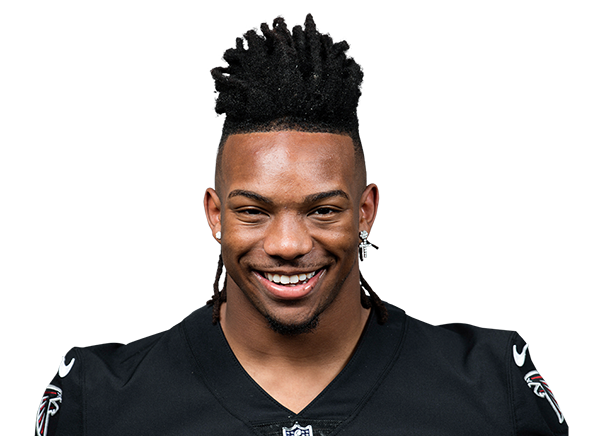
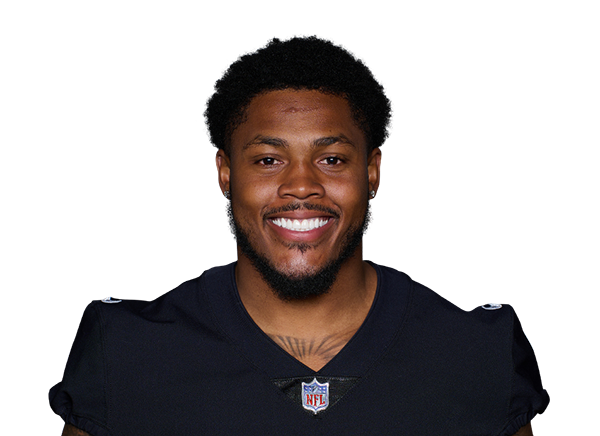
Player photos courtesy of ESPN.
Loading...
Loading...
We use cookies for analytics and advertising to keep TheFantasyPicks free. These run by default; you can opt out anytime with Reject or via Cookie Settings. See our Privacy Policy.
Sponsored affiliate link.
Player photos courtesy of ESPN.
Ranking moves, risers and fallers, and new posts. Free, no spam, unsubscribe anytime.
Fantasy playoffs live and die on three weeks of matchups, and by late August the schedule picture for Weeks 14-17 is clear enough to start shaping trade calls. Below is our updated ranking of remaining schedule difficulty for that stretch, from friendliest to nastiest, along with the five teams that moved the most since our last pass and what to do about it before your league mates catch on.
If you haven't locked in your draft board yet, run these matchups through our mock draft simulator to see how playoff schedule stacks up against ADP, and check the full rankings hub for updated player values that account for this data.
We're weighing three things: opposing defensive DVOA trends from Football Outsiders-style stats, pace of play for the opposing offense (more possessions means more defensive snaps to attack), and whether the matchup week features a likely blowout script that removes pass volume. A team graded "easy" isn't just facing bad defenses, it's facing bad defenses in games expected to stay competitive into the fourth quarter.
Atlanta's Weeks 14-17 slate softened considerably once two divisional opponents traded away starting cornerbacks this offseason. Bijan Robinson and Drake London both benefit from a run of defenses that ranked bottom-third against the pass a season ago. This is the single biggest riser on our board, and Robinson owners should treat that trend as a reason to hold firm, not a cue to sell into a panic trade.
Jonathan Taylor's playoff stretch got notably friendlier with two matchups against defenses that struggled to contain zone-heavy rushing attacks last year. Tyler Warren's tight end usage should also see a bump in the same weeks, since neither divisional opponent fielded a linebacker corps built to match up against seam-running tight ends.
Dak Prescott throwing to CeeDee Lamb and George Pickens now lands in a playoff window with two pass funnel defenses back to back. Javonte Williams's outlook is murkier since positive game scripts can cut into his early-down work, but the receiving corps here is the headline riser.
Josh Jacobs, Jayden Reed, and Tucker Kraft all move up because Green Bay's playoff opponents allowed the most fantasy points to opposing skill players at their respective positions last season among teams still on Green Bay's slate. Jacobs in particular profiles as a workhorse in a run-funnel environment.
Justin Jefferson's playoff matchups improved after one divisional foe overhauled its secondary this offseason, trading multiple veteran defensive backs. Jordan Addison and Aaron Jones ride the same wave, though Jones will need to hold off Jordan Mason for lead work to fully cash in on the softer slate.
On the other end, Baltimore's stretch stands out as the harshest drop. Lamar Jackson, Derrick Henry, and Zay Flowers face a run of defenses that finished top-10 in points allowed to both running backs and slot receivers last year, with at least one matchup against a defense that blitzes at one of the league's highest rates. That combination tends to suppress rushing lanes and shorten the field for underneath receivers like Flowers.
The instinct in dynasty and redraft leagues alike is to chase the riser and dump the faller, but timing matters more than the label. If you already roster a riser like Bijan Robinson or Jonathan Taylor, this is not the week to sell, it's the week to ask for a premium from an opponent who wants your playoff schedule advantage. Buy-low windows are shrinking fast on Dallas's receivers since their schedule news is public now, so any trade needs to happen before your league mates read the same data.
Conversely, don't panic-sell Baltimore pieces. Lamar Jackson, Derrick Henry, and Zay Flowers remain talented enough to overcome a tough slate in individual weeks, and schedule strength is a tiebreaker, not a verdict. If you're stuck holding tough-schedule players, target buyers who overvalue raw talent and undervalue matchup data, and offer them a two-for-one rather than trying to move one piece for equal value.
For best ball formats, this data matters less week to week but still informs draft-day tiers. Our best ball draft tool factors playoff schedule into player grades so you're not just drafting for Weeks 1-13 and hoping the ends work out.
Schedule strength updates every time a team makes a trade, signs a free agent, or loses a starter to injury, so treat this as a snapshot rather than gospel. Revisit it again once final depth charts are set in September, but for now, Atlanta, Indianapolis, Dallas, Green Bay, and Minnesota are the five teams worth chasing in trade talks before the rest of your league notices.