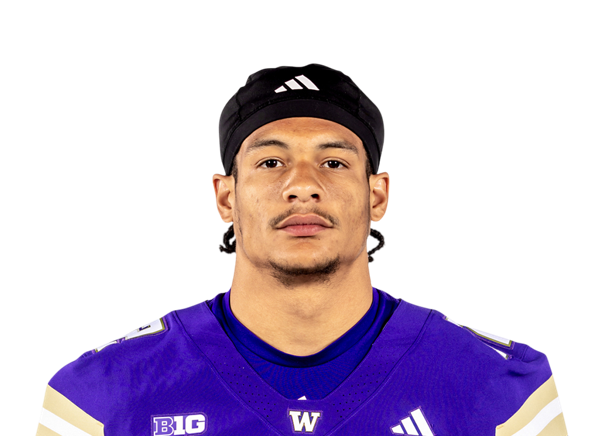
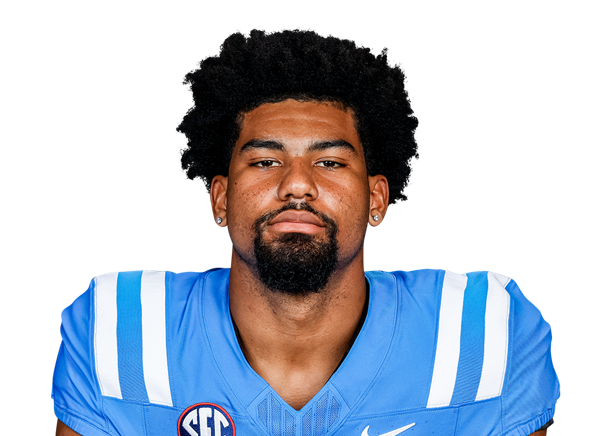
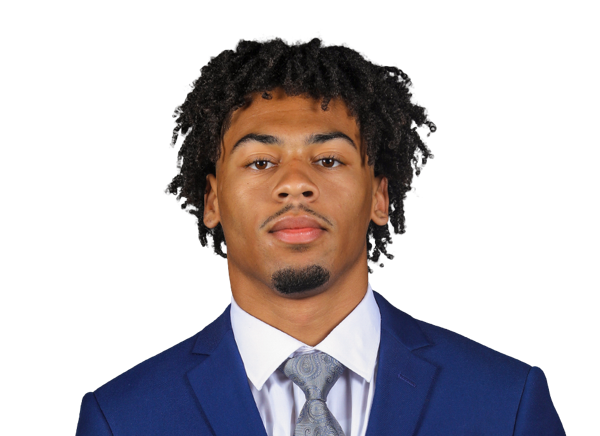
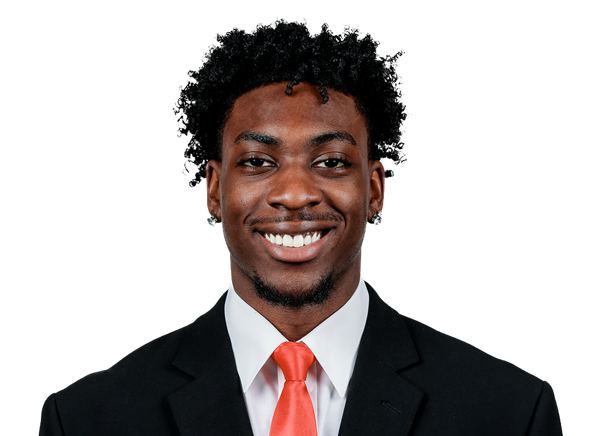
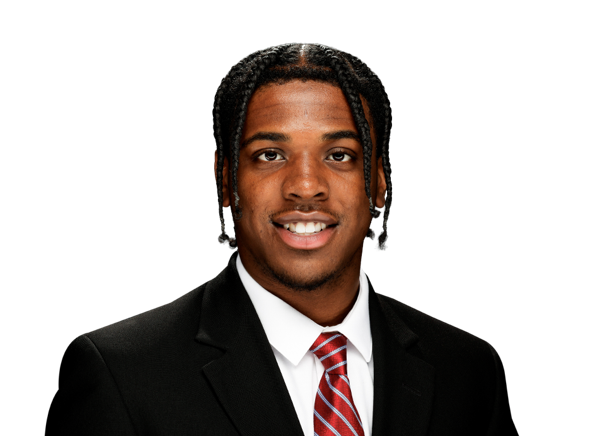
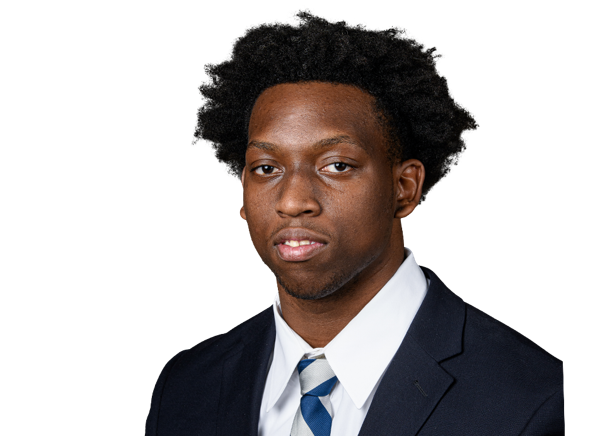
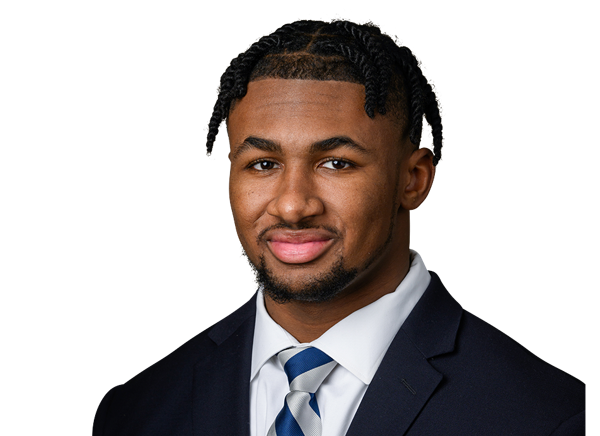
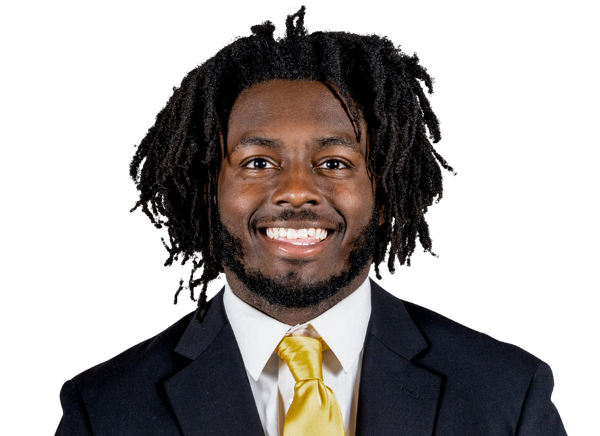
Player photos courtesy of ESPN.
Loading...
Loading...
We use cookies for analytics and advertising to keep TheFantasyPicks free. These run by default; you can opt out anytime with Reject or via Cookie Settings. See our Privacy Policy.
Sponsored affiliate link.
Player photos courtesy of ESPN.
Ranking moves, risers and fallers, and new posts. Free, no spam, unsubscribe anytime.
"He has draft capital" is not a reason. Every team drafts players it hopes will play. The actual question for a late-round best ball sleeper is who, by name, is standing between him and snaps, and how strong is that competition really. So instead of pointing at draft slot and calling it a day, we pulled the real current depth chart for all seven teams below and looked at exactly who each of these eight rookies has to pass. The answers split into three genuinely different stories, not one repeated eight times: three of these receivers have already won their role and are just waiting on volume, one is in a real fight with a fellow rookie, and the three running backs are honest lottery tickets behind real committees.
Boston, a second-round pick at No. 39 overall, is actually listed ahead of Cedric Tillman at outside receiver on Cleveland's depth chart, and Tillman is a veteran our model ranks outside the top 450 overall. That is not the real competition here. Cleveland's true No. 1 is Jerry Jeudy, and the more interesting fight is with KC Concepcion, a fellow 2026 rookie our model actually ranks better than Boston at the position (wide receiver No. 55 to Boston's No. 64). Boston does not need to beat out an entrenched veteran. He needs to out-target another rookie from his own draft class, on his own team, which is a real and winnable fight, not a hypothetical one.
Stribling is the clear backup at outside receiver in San Francisco, but the name in front of him is Mike Evans, who our model still has as a top-80 overall receiver. This is the most honest "not yet" story on this list: Stribling's path is not a training camp battle he can win on talent, it is Evans missing time or the coaching staff choosing to play three-receiver sets often enough to get a rookie real snaps behind a productive incumbent. That is a real path, and a second-round pick means the team believes in it long-term, but it is a lower-probability outcome this season than some of the other names here.
Williams already holds the top slot-receiver spot on Washington's depth chart, ahead of both Jaylin Lane and Luke McCaffrey. That is not a projection, it is where the team has him right now, off a third-round pick. Washington's real WR1 is Terry McLaurin on the outside, which leaves the slot role, and the target volume that comes with it, as Williams' job to lose rather than a job he is trying to win. A rookie who has already beaten out two other bodies for a starting alignment is a materially different, and better, story than "buried on the bench."
Branch has also already won his room: he sits ahead of Olamide Zaccheaus, a veteran depth piece our model has outside the top 450 overall, for Atlanta's slot job. The swing factor for Branch is not a depth chart fight he still has to win. It is target share behind Drake London, Atlanta's clear No. 1 receiver and one of the best in the league. A third-round rookie who is the presumptive full-time slot option in an offense built around a legitimate alpha is exactly the profile that turns into real weekly production the moment volume gets spread past the top target.
Bernard is Pittsburgh's only listed slot receiver. There is no name behind him to beat out, which makes his path fundamentally different from a camp competition. His outcome depends entirely on offense-wide target volume, not winning a job. Worth noting: Roman Wilson, the outside receiver opposite DK Metcalf, currently ranks outside our top 550 overall, which tells you Pittsburgh's receiver room beyond Metcalf is not settled either. A second-round rookie with zero internal competition for his own role, on a team without a clear No. 2 outside option, is a real bet on volume rather than a bet on beating a specific player.
Allen is genuinely fourth in line in Washington, behind Jacory Croskey-Merritt, Rachaad White, and Jeremy McNichols. Croskey-Merritt and White are separated by roughly four spots in our overall model, which is functionally a coin flip for early-down work between two established backs. This is the most honest lottery ticket on the list: Allen's realistic path requires two bodies ahead of him to underperform or get hurt, not one. He costs the literal last pick in a draft, which is the entire justification for still rostering that low a probability.
Singleton sits third in Tennessee, behind Tony Pollard and Tyjae Spears, and Spears already holds the passing-down, change-of-pace role a rookie like Singleton would otherwise profile into. That means Singleton's clearest paths are either Pollard's early-down work opening up, which would likely promote Spears first, or an injury to both backs ahead of him. It is a real path, priced honestly at running back No. 63 in our model, and a longer one than the receiver situations above.
Claiborne is Minnesota's clear third back, behind Aaron Jones and Jordan Mason, who is already the primary insurance option behind Jones. A late-round pick on Claiborne is a bet against Minnesota's top two backs staying healthy and effective all season, not a bet on a specific opening the way the slot receivers above have one. That is a lower-probability, higher-variance profile, which is exactly why he belongs in the very last rounds of a 20-round best ball draft rather than the middle ones.
Draft capital tells you a team believes in a player. It does not tell you whether the player in front of him is any good, or whether there even is a real competitor at all. That is the gap this list is built to close. Antonio Williams, Zachariah Branch, and Germie Bernard are not dart throws in the traditional sense: each has already won the specific role our model would project them into, and their outcome is now a question of team-wide volume, not a camp battle they still have to win. Denzel Boston is in a live fight with a fellow rookie the model likes slightly more, which is a coin flip worth having for free in round 18. The three running backs, Kaytron Allen, Nicholas Singleton, and Demond Claiborne, are the honest lottery tickets on this list, real committees with two established bodies in front of them rather than one soft spot. Knowing which of those three stories you are actually buying is the entire point of rostering any of them. For the full underlying model, check our rookie rankings and our best ball rankings for the complete tier breakdown.
Every name above, both the eight rookies and every veteran or fellow rookie named as their real competition, was cross-checked against each team's actual current depth chart, not just draft capital or a positional headcount. We did not include a claim about who is ahead of a player without a verified current depth chart slot to back it up. For readers who want to track camp battles themselves as preseason games are played, Pro Football Reference is a good outside source for roster and snap count changes. We will revisit this list once preseason snap counts start coming in, since that is the first real signal one of these situations is breaking open. Our full player rankings update continuously as that data comes in, so check back before your next draft.