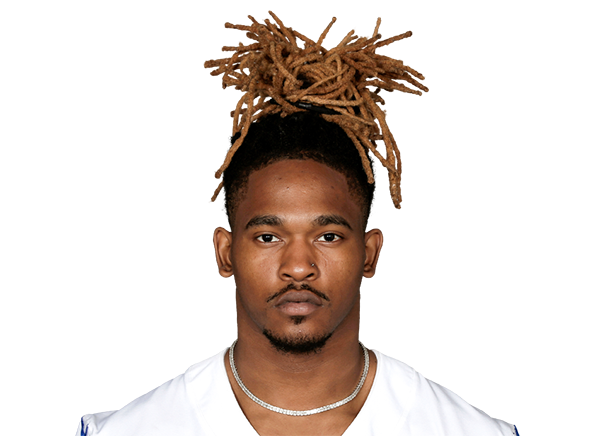
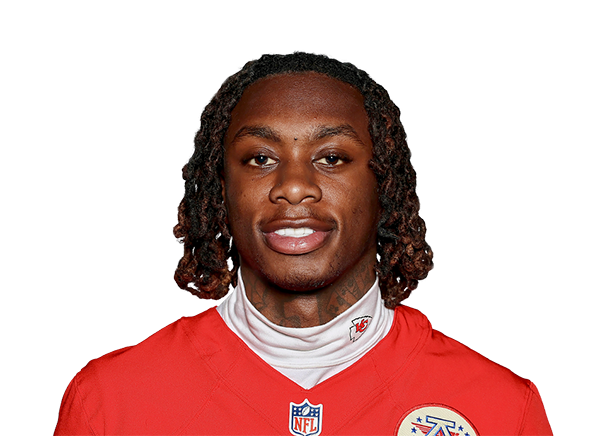
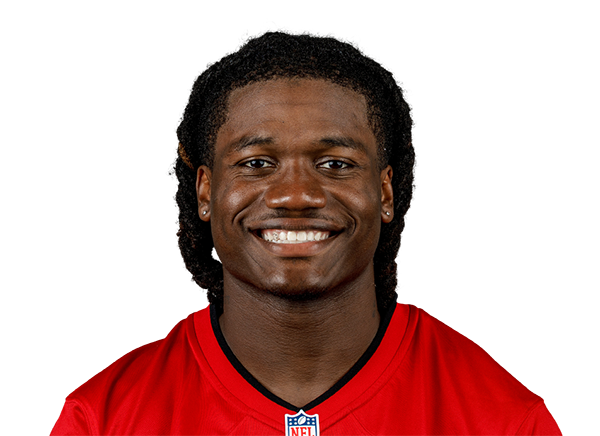
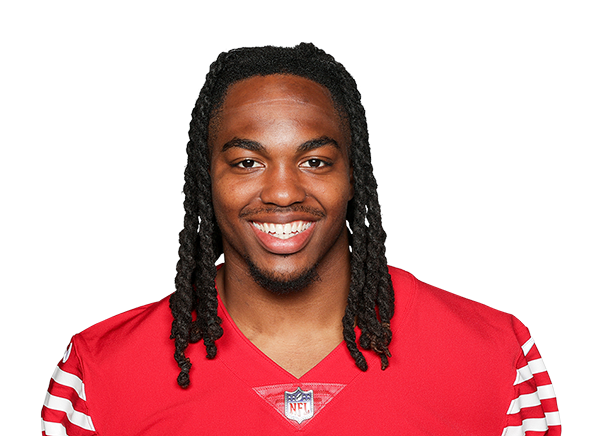
Player photos courtesy of ESPN.
Loading...
Loading...
We use cookies for analytics and advertising to keep TheFantasyPicks free. These run by default; you can opt out anytime with Reject or via Cookie Settings. See our Privacy Policy.
Sponsored affiliate link.
Player photos courtesy of ESPN.
Ranking moves, risers and fallers, and new posts. Free, no spam, unsubscribe anytime.
Snap share is the earliest tell we get on a coaching decision, well before the box score catches up. When a player's playing time moves ten or fifteen points in either direction without a corresponding injury designation, that's a staff quietly voting with substitutions. Here are five usage swings worth tracking heading into the next slate, plus what the tell probably means going forward.
The Steelers backfield is stacked with real bodies competing for the same touches: Rico Dowdle sits at the RB #2 slot, with Jaylen Warren ahead of him at RB #1 and Eli Heidenreich behind him at RB #3. When a committee this crowded suddenly tilts hard toward one name in a given week, it's rarely random distribution, it's usually a game-plan choice about who the staff trusts on passing downs. If Dowdle's snap rate jumped while Warren's dipped, the read isn't an injury, it's a coordinator deciding the matchup favored Dowdle's skill set that week. The projection for next week hinges on whether that split holds again or reverts toward Warren, who still occupies the top slot on the depth chart. Until we see back-to-back weeks in the same direction, treat this as matchup-driven rather than a permanent role change.
Worthy operates as the Chiefs' RWR #2, sharing the field with Rashee Rice, who runs the slot as SWR #1. A snap-share spike for Worthy without any word on Rice's health points to a coaching tell about formation usage rather than a shift in the pecking order. Kansas City has multiple ways to deploy its receivers, and a week where Worthy's routes climb while Rice's usage holds steady usually means the staff leaned on more three-wide sets or motion looks designed to isolate Worthy against a specific corner. Next week, watch the Chiefs' personnel groupings early; if Worthy is still logging snaps on early downs and not just garbage-time reps, that's the more durable signal.
This one is a two-player story. Godwin sits as SWR #2 in Tampa Bay's receiver corps, and any sudden bump in his route participation without an injury note to the player ahead of him at that slot suggests the staff is simply diversifying the passing-game reads rather than making a permanent depth chart change. On the ground, Bucky Irving remains the clear RB #1, and any week where his snap share dips isn't about his standing, it's more likely game-script driven, teams sitting on leads tend to lean on clock-control packages that can look like a committee even when the top back hasn't lost the job. The tell to watch next week: does Irving's snap rate bounce right back once the Buccaneers are in more competitive game scripts? If yes, this was noise, not signal.
Minnesota's backfield is deep enough that a snap-share swing needs real context. Aaron Jones sits atop the depth chart at RB #1, Jordan Mason is next in line at RB #2, and Demond Claiborne, a Round 6 pick, is the third option at RB #3, with Max Bredeson further down the chart. If Mason's snap total spikes in a week where Jones isn't listed with any injury concern, that's a coaching tell about early-down toughness or pass protection trust rather than a changing of the guard. The staff clearly likes having a bruising complement, and a spike for Mason in short-yardage-heavy weeks doesn't necessarily predict a shift for the following game. Watch the down-and-distance splits, not just the raw snap number, before projecting Mason for a bigger role again next week.
This is the most interesting committee to track. Croskey-Merritt holds down the RB #1 slot in Washington, while Rachaad White sits behind him at RB #2. A week where White's snap share climbs without any word on Croskey-Merritt's health is the clearest coaching tell of this group, because it usually means the staff wants a proven receiving-down option on the field regardless of who is "starting" in name. If that split repeats, White becomes a real streaming option even while Croskey-Merritt keeps the early-down role, and it would explain a coach trying to manage touches across two backs rather than committing fully to one. Next week's game script will matter here: obvious passing situations should keep funneling snaps toward White, while first-and-ten work stays with Croskey-Merritt.
None of these five swings came with an injury report attached, which is exactly why they're worth flagging instead of ignoring. A single-week blip in playing time can be matchup-specific noise, but two consecutive weeks in the same direction is usually a coaching staff telling you something about trust, without saying it out loud. If you're setting lineups or working through our positional rankings this week, cross-reference snap trends before locking in a start, and for deeper season-long roster building, run these names through our best ball tool to see how the range of outcomes shifts. For raw weekly snap-count data to verify these trends yourself, Pro Football Reference keeps a full participation log by team and week.
The players above aren't locks to repeat their anomaly, but they're the ones most likely to move fantasy outcomes if the coaching tell holds. Track the next game log closely before reacting with a waiver claim or a lineup swap.