Player photos courtesy of ESPN.
Loading...
Loading...
We use cookies for analytics and advertising to keep TheFantasyPicks free. These run by default; you can opt out anytime with Reject or via Cookie Settings. See our Privacy Policy.
Player photos courtesy of ESPN.
Ranking moves, risers and fallers, and new posts. Free, no spam, unsubscribe anytime.
Snap counts do not lie, but they do not always tell you the whole story either. When a player's role jumps or disappears without a corresponding injury report, that is usually a coaching decision hiding in plain sight. Here are five usage swings worth tracking heading into next week, along with what the staff might be signaling and where the workload goes from here.
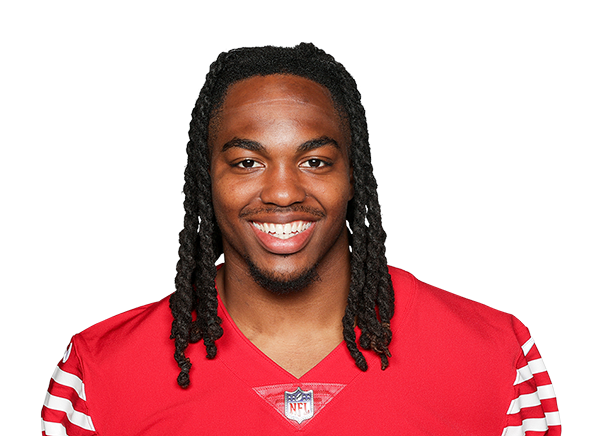
Jacobs sits at RB #4 on the depth chart in our data, a notable slot given his name recognition, and any week-over-week dip in his share is not about a fresh injury designation, it is about the staff mixing personnel groupings on early downs. When a lead back this established starts trending down in raw plays instead of up, it typically means the coaching staff is testing complementary packages rather than making a permanent change. The real question for next week is whether Green Bay reverts to funneling touches through their top priority back or continues to spread the ledger. Track the first-half distribution closely; if Jacobs is capped again on early snaps, that is the tell that the staff is deliberately managing his workload rather than reacting to health.
Mason checks in behind Aaron Jones on Minnesota's depth chart, with Demond Claiborne also in the mix at that same RB slot. A snap share crater for Mason without any injury note usually means the coaching staff simply liked what they saw from Jones in pass protection or in the passing game on a particular week and rewarded it with more clock time. Since Jones is the lead back, any bump for Mason has to come at the expense of a back who is already the preferred early-down option, which tells you Mason's ceiling next week is tied directly to game script rather than role security. If Minnesota trails and needs check-down outlets, watch for Mason's number to climb back; if they are ahead, expect the early-down grinder to keep the harder usage.
This is the most confusing backfield in the league right now, and it is confusing by design. Jacory Croskey-Merritt is listed as the lead back, Rachaad White second and Kaytron Allen third, a three-man competition on paper. When one of these three sees a share spike and another craters in the same week with no injury attached, that is not random, it is the coaching staff auditioning combinations to see which pairing handles third-down protection and red zone work best. A committee that deep this many weeks into the season usually means the staff has not settled on a hierarchy, which makes every one of these three a boom-or-bust bench stash rather than a reliable spot start. Next week, watch early usage in the first quarter, whichever back gets the first two carries is likely the answer for that week, though it may flip again in Week 5.
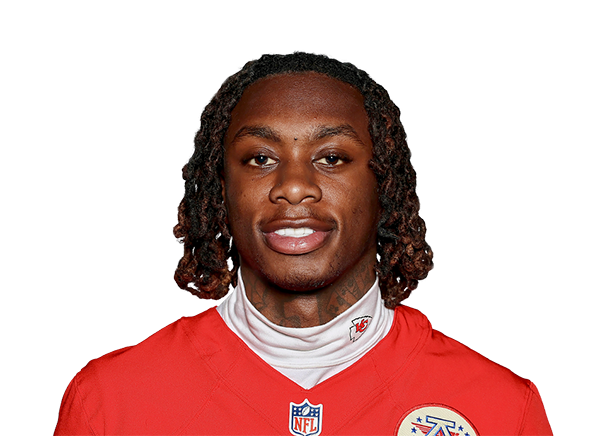
Worthy sits at RWR #2 in Kansas City's depth chart, with Rashee Rice holding down the SWR #1 slot as the clear route-running priority in the short and intermediate game. When Worthy's snap share spikes or dips week over week without an injury tag, that is most likely about how the coaching staff scripts vertical shot plays versus quick-game concepts depending on the opponent's coverage tendencies. Worthy's ceiling stays tethered to explosive-play scripting rather than a stable route share, so treat any single-week spike as matchup-driven rather than a permanent shift. If the next opponent plays more zone, expect Rice's short-area role to dominate the snap count again and Worthy's number to normalize downward.
Stowers is the Eagles' second tight end behind Dallas Goedert, and the designation is the whole story here: Goedert is out with an MCL injury, so a snap bump for Stowers is not the staff experimenting with two-tight-end sets, it is the job being vacant. Philadelphia was also without Hollywood Brown on Monday night and scored 7 points, which is the context any snap-share read on this offense needs. Philadelphia also leans heavily on Saquon Barkley in the run game, and a jump in Stowers' snaps could simply reflect more heavy personnel looks to support that ground attack rather than a passing-game investment in the rookie. Until Stowers starts drawing real target volume independent of formation, treat any single-week spike as a run-blocking package tell, not a receiving breakout. Watch next week's personnel grouping charts closely; if the two-tight-end look shows up again on early downs, Stowers' floor as a streaming option stays shaky but his snap count should hold.
None of these five situations come with a clean injury explanation, which is exactly why they matter. Coaching staffs telegraph their intentions through usage long before public comments confirm anything, and reading those signals early is how you get ahead of the waiver wire crowd. For a deeper look at how these shifts affect season-long value, check our full player rankings or run scenarios through our best ball tool before locking in lineups. If you want to verify raw snap percentage data yourself, Pro Football Reference keeps weekly logs updated for every skill position player in the league.
Snap share volatility without an injury note is one of the clearest signals in fantasy football, but it only pays off if you act on it before the workload settles into its new normal. Keep an eye on these five names next week, and check our mock draft simulator if any of these shifts change how you value your bench depth going forward.