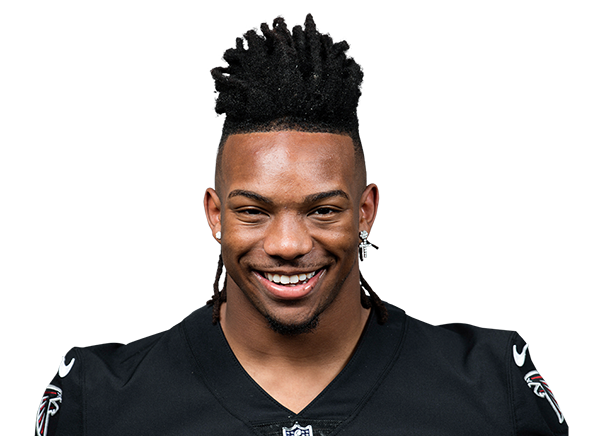
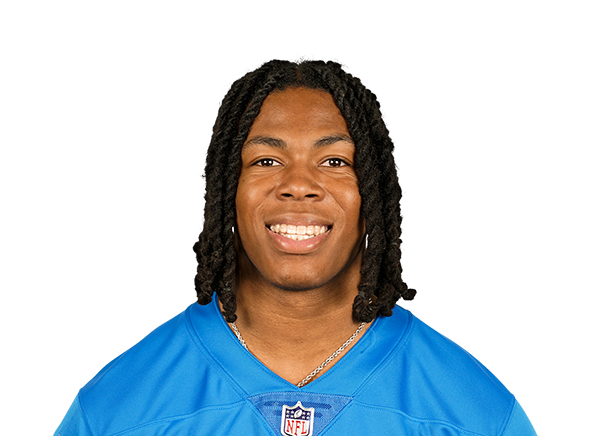
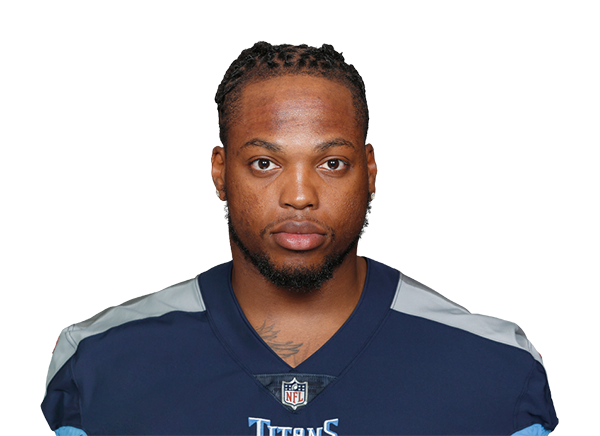
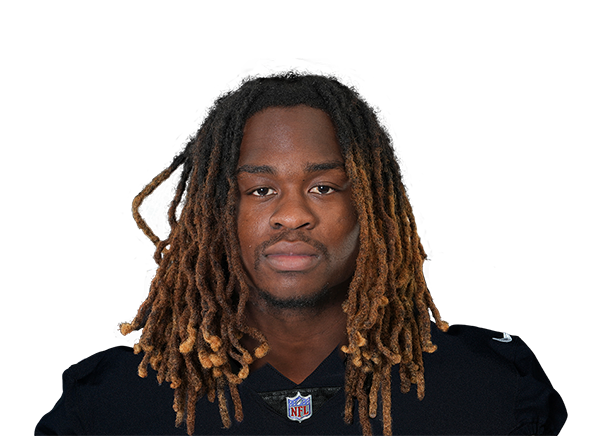
Player photos courtesy of ESPN.
Loading...
Loading...
We use cookies for analytics and advertising to keep TheFantasyPicks free. These run by default; you can opt out anytime with Reject or via Cookie Settings. See our Privacy Policy.
Sponsored affiliate link.
Player photos courtesy of ESPN.
Ranking moves, risers and fallers, and new posts. Free, no spam, unsubscribe anytime.
Redraft leagues live and die on running back health and volume, and the picture at the position has shifted quite a bit since spring mock drafts. Below is our rest-of-season RB1 ladder, built around three inputs: remaining schedule strength against the run, current touch trend, and injury risk. We also flag where we diverge from consensus, because a few of these gaps are significant enough to change draft strategy or trade targets in your league.
Robinson sits atop nearly every model for a reason: three-down usage, a offense that funnels work through the backfield, and no clear timeshare threat behind him. Volume this consistent is rare, and it is the single best predictor of weekly RB1 finishes down the stretch.
Gibbs has graduated from complementary back to lead role in Detroit's attack, and the receiving-game work gives him a much higher floor than pure between-the-tackles runners. The only knock is occasional split work, but the explosiveness more than compensates.
Cook's role in Buffalo has grown every year, and with the passing weapons drawing attention elsewhere, defenses are increasingly vulnerable to committed ground-game plans built around him.
Health is the swing variable, not talent. When on the field, McCaffrey remains a true bell-cow with every-down usage. We have him a shade below the RBs whose workload is a lock every single week, purely on the injury-risk axis.
Taylor has quietly been one of the most efficient backs in the league, and Indianapolis's commitment to the run gives him a sturdy floor. Positive touchdown regression could push him higher if the offensive line holds up.
Even as the calendar advances, Henry has not shown real signs of slowing down in a run-heavy Baltimore scheme. Short-yardage and goal-line work alone keep his touchdown equity elite, and that stabilizes his weekly floor even on quieter yardage days.
Jeanty's workload trend is exactly what you want to see from a rookie: rising snap share, expanding role on passing downs, and no committee threat cutting into his touches. Our model likes him more than most redraft rankings currently do, largely because volume tends to be sticky once established this early.
Jacobs has settled into a strong early-down role, and Green Bay's offensive infrastructure supports high per-carry efficiency. He is not the pass-catching weapon some names above him are, which caps his ceiling slightly, but touches are touches.
Barkley's talent has never been in question, and Philadelphia's scheme design continues to generate explosive-play opportunities on the ground. The offensive line in front of him remains one of the better run-blocking units in the league, which matters a great deal for sustained RB1 production.
Brown rounds out our top ten thanks to a workload that has steadily trended upward. In an offense that can move the ball through the air, opposing defenses are often forced into lighter boxes, and that context can be a real tailwind for a back who has earned an every-down role.
The two names generating the most debate in our model versus public rankings are Jeanty and Chase Brown. Public consensus still treats Jeanty with rookie caution and slots him lower, but workload trend is one of the stickiest signals in fantasy forecasting, and his usage curve has only pointed in one direction. Chase Brown gets undervalued in a lot of consensus boards that are still anchored to last year's committee concerns in Cincinnati; the current role does not reflect that anymore.
On the flip side, we are lower than consensus on a few injury-flagged veterans who still carry name-value rankings well above where their current medical and workload situations justify. If a back has missed practice time or is trending toward a change in role, we would rather be early moving off him than late.
Backs who barely missed our top ten but deserve mention include Kenneth Walker, De'Von Achane, Breece Hall, and Omarion Hampton, all of whom have paths to RB1 weeks if workload continues trending in their favor. If you're deciding between two of these names in a trade, cross-reference our full running back rankings for the complete tier breakdown, and if you're prepping for a startup or rebuild draft, our mock draft simulator is a useful way to stress-test how these backs fall in different formats.
Remaining schedule strength was evaluated using defense-versus-run data, workload trend was measured by weighted recent-week touch share, and injury risk was scored using practice participation and recent usage volatility. For raw play-by-play and usage stats, we lean on resources like Pro Football Reference to double-check our internal workload models before finalizing a ranking. If you play best ball, several of these names, particularly the workload risers, are worth building around; check our best ball tools for roster construction ideas that lean into rising-role backs before their price catches up.
Rankings will get updated as camp battles resolve and Week 1 workload data starts rolling in, so check back before you lock your redraft board.