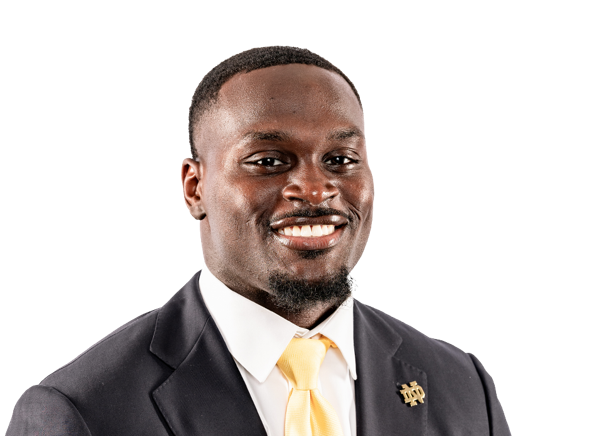
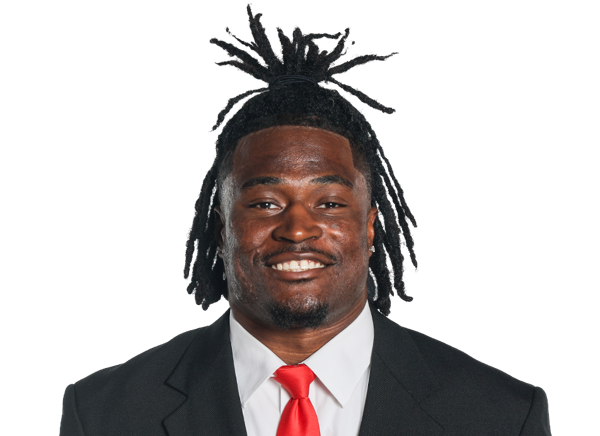
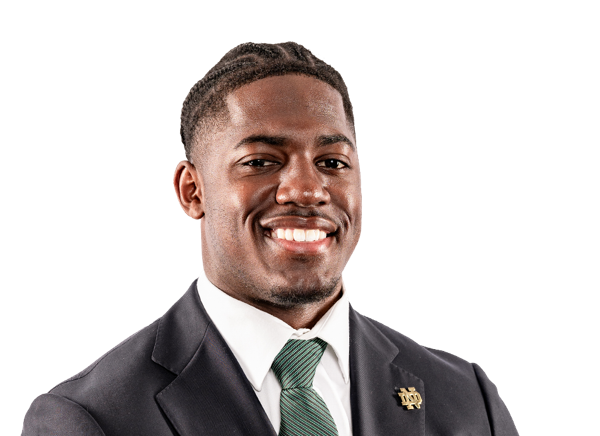
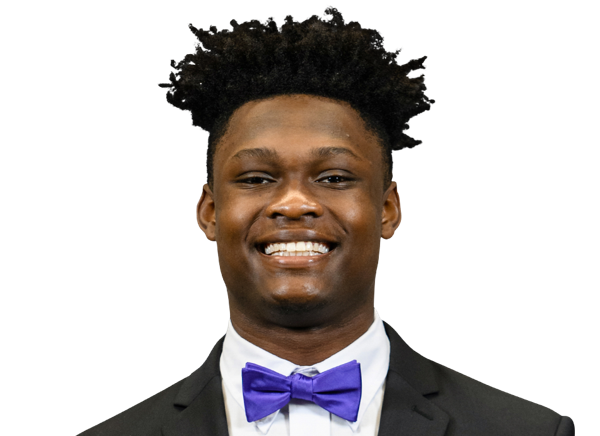
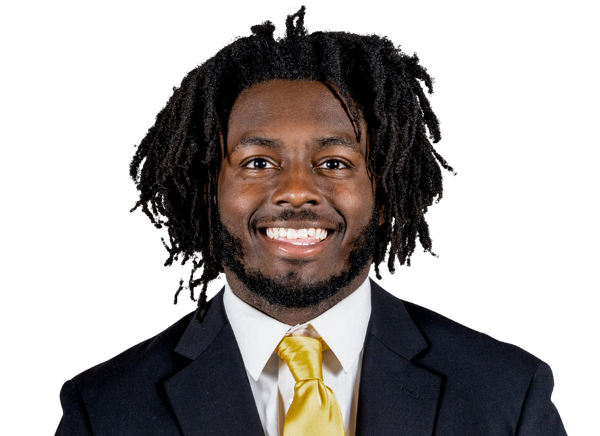
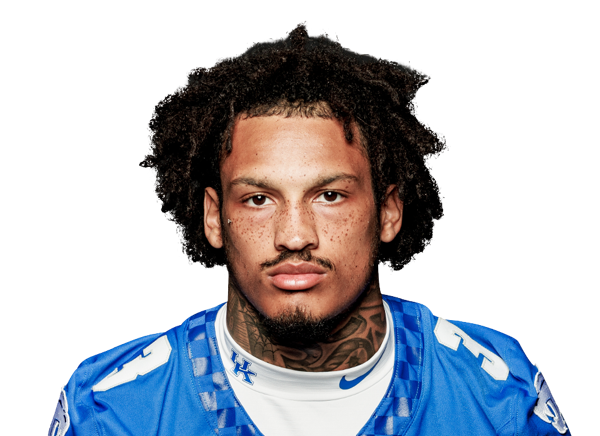
Player photos courtesy of ESPN.
Loading...
Loading...
We use cookies for analytics and (eventually) advertising to keep TheFantasyPicks free. See our Privacy Policy.
Sponsored affiliate link.
Player photos courtesy of ESPN.
Ranking moves, risers and fallers, and new posts. Free, no spam, unsubscribe anytime.
Rest-of-season running back rankings live and die on one question: who is actually getting the ball? Draft capital and name recognition mean nothing if a back is stuck behind a clear lead option with no path to volume. Below we rank the ten backs we think are most likely to finish as usable RB1s from this week through your fantasy playoffs, and we flag where our numbers pull away hardest from the field consensus.
Before you set lineups, cross-check our full board on the rankings hub and stress-test your bench depth with the best ball tools.
Love sits at the top of the Cardinals backfield pecking order (slot RBa) with real competition behind him in Tyler Allgeier (RBb, consensus rank 130) and James Conner (RBc, consensus rank 132), but neither is a threat to overtake the lead job given where they sit on the depth chart. Trey Benson (RBd, rank 290) is buried further down. As a Round 1 pick (3rd overall), Love has the clearest runway of any back on this list, and that gap between him and the RBb/RBc tier is the single biggest reason he tops our board.
Black is technically third on the 49ers chart (RBc) behind Christian McCaffrey (RBa, rank 10) and Jordan James (RBb, rank 210), but McCaffrey's recurring absences over the last two seasons have repeatedly bumped touches down the chart. If McCaffrey misses time again, Black jumps ahead of both James and Isaac Guerendo (RBd, rank 546) for early-down work. This is a name-your-price bet on health, not on current touch share.
Price leads Seattle's backfield chart (RBa) over Zach Charbonnet (RBb, rank 126) and Emanuel Wilson (RBc, rank 166). A Round 1 pick (32nd overall) getting the top depth-chart slot as a rookie is rare, and Charbonnet's own consensus rank of 126 tells you the Seahawks staff isn't treating this as a true committee at the top.
Randall sits third (RBc) behind Derrick Henry (RBa, rank 14) and Justice Hill (RBb, rank 208). Henry's workload has been the entire Ravens ground game for years, which caps Randall's weekly ceiling, but Hill's modest rank 208 and the sheer volume Henry commands mean any Henry maintenance day or injury flips real work to Randall immediately. He's a name to roster, not necessarily to start, until that happens.
Washington's backfield is genuinely muddled: Jacory Croskey-Merritt (RBa, rank 119) and Rachaad White (RBb, rank 122) are within three spots of each other in consensus, with Allen (RBc) sitting behind both. That flat grouping at the top makes this the definition of a timeshare, and Allen profiles as a change-of-pace complement rather than a true bell-cow, even on weeks when touches trend his way.
Singleton is fourth on the Titans chart (RBd), behind Tony Pollard (RBa, rank 77), Tyjae Spears (RBb, rank 145), and Michael Carter (RBc, rank 614). Pollard and Spears both carry real consensus value ahead of him, so Singleton's path is contingent on injury to either, not organic role growth. We have him lower than some public boards because the gap to Pollard specifically is still wide.
Coleman sits third in Denver (RBc) behind J.K. Dobbins (RBa, rank 97) and RJ Harvey (RBb, rank 156). Dobbins' rank 97 shows he's firmly the early-down option, and Harvey's rank 156 leaves Coleman fighting for scraps behind two backs the market already values over him. This is a name for deep best ball rather than season-long redraft starts. If you're building bench depth around backs like this, our best ball drafting tool is built for exactly these speculative slots.
Johnson is third (RBc) in Kansas City behind Kenneth Walker (RBa, rank 18) and Emari Demercado (RBb, rank 345). Walker's rank 18 makes him the unquestioned lead, but Demercado's weak 345 consensus rank means Johnson, as the Round 5 pick (161st overall), is realistically next in line if Walker were to miss time. That's a real, if distant, path.
Claiborne sits third in Minnesota (RBc), behind Jordan Mason (RBa, rank 128) and Aaron Jones (RBb, rank 85). Jones being the higher-ranked back ahead of Mason signals a true committee up top, which caps Claiborne's weekly floor even in a best-case scenario, since two backs are already dividing the passing and early-down work he'd need to inherit.
McGowan is third in Indianapolis (RBc) behind Jonathan Taylor (RBa, rank 10) and DJ Giddens (RBb, rank 323). Taylor's elite rank 10 means this backfield essentially never turns over unless he's out, but Giddens' weak 323 consensus rank means if Taylor does miss time, McGowan (Round 7, pick 237) has a real shot to see early-down snaps rather than losing them to a more established name.
The biggest gap on our board is Jadarian Price. Public rankings still treat Seattle as a Charbonnet-plus-committee backfield, but Price holding the actual RBa slot as a rookie is the kind of signal that should move him up redraft and best ball boards alike. On the other end, Nicholas Singleton gets more helium in mock drafts than his RBd slot behind two ranked-ahead veterans in Pollard and Spears really supports.
For deeper positional battles like Pittsburgh's, where Eli Heidenreich sits all the way down at RBe behind Jaylen Warren, Rico Dowdle, and Kaleb Johnson, we're not recommending a roster spot until an injury reshuffles that chart. If you want the full week-by-week matchup grid behind these calls, check Pro Football Reference for run-defense splits before setting your lineup.