Player photos courtesy of ESPN.
Loading...
Loading...
We use cookies for analytics and advertising to keep TheFantasyPicks free. These run by default; you can opt out anytime with Reject or via Cookie Settings. See our Privacy Policy.
Player photos courtesy of ESPN.
Ranking moves, risers and fallers, and new posts. Free, no spam, unsubscribe anytime.
72.23. That is Josh Allen's consistency grade in our model, the highest of any player ranked inside the top 60. No one else clears 68.
Consistency measures how tightly a player's weekly scores cluster around his average, scaled 0 to 100 from his 2025 game log. A high number means the floor and the ceiling live close together. In weekly-lineup leagues that number is worth real money, because the points you can count on are the points that win close matchups. Here are the six players above 61, and where each one is worth paying up.
| Player | Consistency | Avg PPR/week |
|---|---|---|
| Josh Allen (QB, BUF) | 72.23 | 24.55 |
| Kyren Williams (RB, LAR) | 67.98 | 19.06 |
| DeVonta Smith (WR, PHI) | 64.19 | 16.61 |
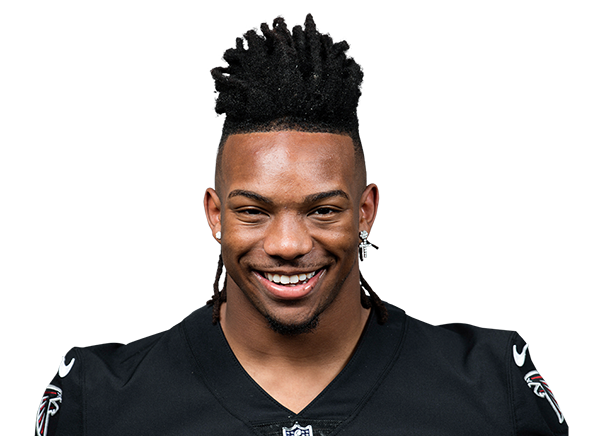
| Bijan Robinson (RB, ATL) | 62.53 | 20.15 |
| D'Andre Swift (RB, CHI) | 62.25 | 17.02 |
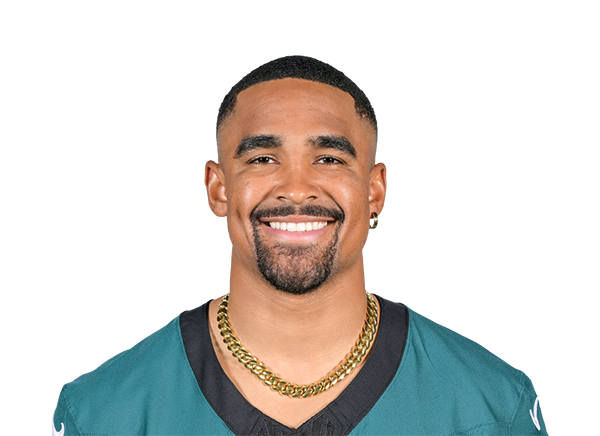
| Jalen Hurts (QB, PHI) | 61.16 | 22.43 |
Allen at 72.23 and Hurts at 61.16 confirm what the position's structure already implies. Rushing quarterbacks carry the steadiest week-to-week output in fantasy because carries and designed goal-line work do not disappear the way passing efficiency can. Allen's 24.55-point weekly average with the tightest variance in the model is the single most bankable line on the board. In leagues where you can only start one quarterback, this is what the early-QB argument actually rests on.
Kyren Williams (67.98), Bijan Robinson (62.53), and D'Andre Swift (62.25) make the list for the same underlying reason: locked-in touch counts. Bijan is the interesting one because he pairs that stability with a 20.15-point average, elite production and low variance at once, which is why he sits at the top of our best-ball board. Swift is the value: his consistency grade sits within half a point of Bijan's while his draft cost sits rounds later.
DeVonta Smith is the only wideout above 61, at 64.19. Receiver scoring is inherently spiky, so a receiver this steady is a structural oddity worth noting. His 16.61 average will not win you a week by itself. What it does is let you spend your other lineup spots on volatility without the whole roster becoming a coin flip.
The model takes every game a player logged in 2025, computes his weekly PPR scores, and measures how far each week strays from his own average. Tight clustering scores high. Wild swings score low. A player needs at least 12 games played to qualify for this list, which filters out small-sample mirages like a backup who had two good spot starts.
That sample-size floor matters more than it sounds. A six-game sample can make anyone look steady. Seventeen games of Josh Allen holding a 24-point average is a different kind of evidence, and it is the reason his 72.23 towers over a field where nobody else clears 68.
Format decides everything here:
Weekly scoring bands and game logs behind these grades come from 2025 regular-season data; the raw scoring format reference lives at Pro Football Reference.
Set your lineup around one of these six, then spend the rest of your roster on upside.